
Who we are?
HK Consultancy epitomizes positive transformation and progress, dedicated to advancing sustainable development across a spectrum of sectors, including e-commerce. Specializing in areas such as climate-smart agriculture, food security, livelihoods, e-commerce, climate change adaptation, disaster risk reduction, health, nutrition, WASH, education, child rights, gender equality, inclusion, and advocacy, HK is committed to driving impactful change in Bangladesh.
With a wealth of experience in research, baseline and evaluation studies, policy development, strategy formulation, proposal writing, capacity building, and documentation, HK showcases both expertise and dedication to achieving meaningful outcomes. Collaborating closely with clients, HK provides tailored solutions to address specific challenges, leveraging knowledge to drive enduring progress.
The team’s proven track record includes conducting assessments, baseline and endline evaluations for socio-economic development and e-commerce projects, demonstrating proficiency in survey design, enumerator training, data collection, statistical analysis, and workshop facilitation. Fluent in both English and Bangla, HK excels in communication, stakeholder engagement, and comprehensive reporting.
Additionally, HK's experience with inclusive market systems projects, remote work, and institutional donor-funded initiatives from USAID, the European Union, DFAT, IFAD, DANIDA, and WV Support Offices further enhances their distinguished portfolio.
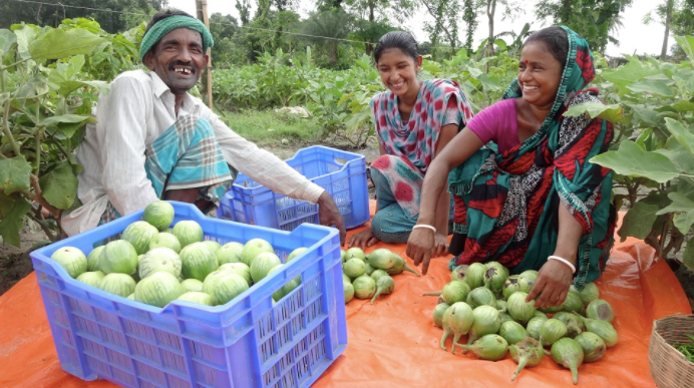
Organizational motto
Empowering change, transforming future
Vision
To build a knowledge-driven, inclusive, and resilient society by transforming evidence into actionable insights, learning into innovation, and partnerships into sustainable impact for people, communities, and the environment.
Mission
Evidence Generation
Conduct high-quality research, assessments, evaluations, and policy analysis to inform evidence-based decisions.
Knowledge and Learning
Transform research findings and practical experiences into actionable knowledge, innovation, and improved practices.
Inclusive Development
Promote gender equality, social inclusion, economic empowerment, and equitable opportunities for marginalized communities.
Resilience and Sustainability
Advance climate resilience, agroecology, biodiversity conservation, sustainable food systems, and livelihood transformation.
Partnerships and Innovation
Foster collaboration among governments, development partners, civil society, academia, and the private sector to scale sustainable solutions.
What we do
We carry out research, baseline studies and evaluations, develop policy and strategy, and support programme design and capacity building. We work with organisations across agriculture, food security, livelihoods, climate resilience, health, education and inclusion.
Capabilities
Research & evaluation
Assessments, baseline and endline studies, survey design and statistical analysis.
Policy & strategy
Policy development, strategy formulation and proposal writing.
Capacity building
Enumerator training, workshop facilitation and stakeholder engagement.
Knowledge & documentation
Comprehensive reporting and documentation in English and Bangla.
Focus Areas
Climate Smart Agriculture and Food Security
This area focuses on adopting agricultural practices that improve resilience to climate change while ensuring sustainable food production. It includes techniques such as precision farming, crop diversification, and soil conservation. The aim is to enhance productivity and food security by reducing environmental impact and adapting farming methods to changing climatic conditions.
Market Systems and Value Chain Development
Market systems and value chain are spaces in which private and public actors collaborate, coordinate, participate, and compete for the production, distribution, and consumption of goods and services, at local, regional, and international levels. It involves value chain assessment, market diagnosis, competitiveness, inclusiveness and resilient of market system development approach.
Agri-business and Marketing
This practice area centers on the commercialization and marketing of agricultural products. It involves developing effective business models, market strategies, and value chains to enhance profitability and competitiveness in the agricultural sector. Key activities include market research, branding, supply chain management, and supporting farmers in accessing new markets and improving their business operations.
Livelihoods, Disaster Risk Reduction, and Climate Change Adaptation
This focus area addresses the need for resilient livelihoods through strategies that reduce vulnerability to disasters and adapt to climate change. It involves promoting sustainable income-generating activities, developing disaster preparedness plans, and implementing adaptation measures to protect communities from environmental and economic shocks. The goal is to build robust systems that support long-term well-being and stability.
Health, Nutrition, and WASH (Water, Sanitation, and Hygiene)
This practice area is dedicated to improving health outcomes by enhancing access to nutritious food, clean water, sanitation, and hygiene. It involves implementing programs that address malnutrition, ensure safe water supplies, and promote proper sanitation and hygiene practices. The objective is to prevent disease, improve overall health, and enhance quality of life.
Education, Child Rights, Gender Equality, and Inclusion
This area supports equitable access to education, protects the rights of children, and promotes gender equality and social inclusion. It involves creating inclusive educational environments, advocating for the rights of marginalized groups, and addressing barriers to education and participation. The focus is on empowering individuals through education and advocating for equal opportunities and rights.
Advocacy
This practice area involves efforts to influence policies and practices through strategic advocacy. It includes raising awareness on critical issues, mobilizing public support, and engaging in policy dialogues to drive systemic change. The goal is to advocate for policies and practices that address social, environmental, and economic challenges and promote sustainable development and equity.
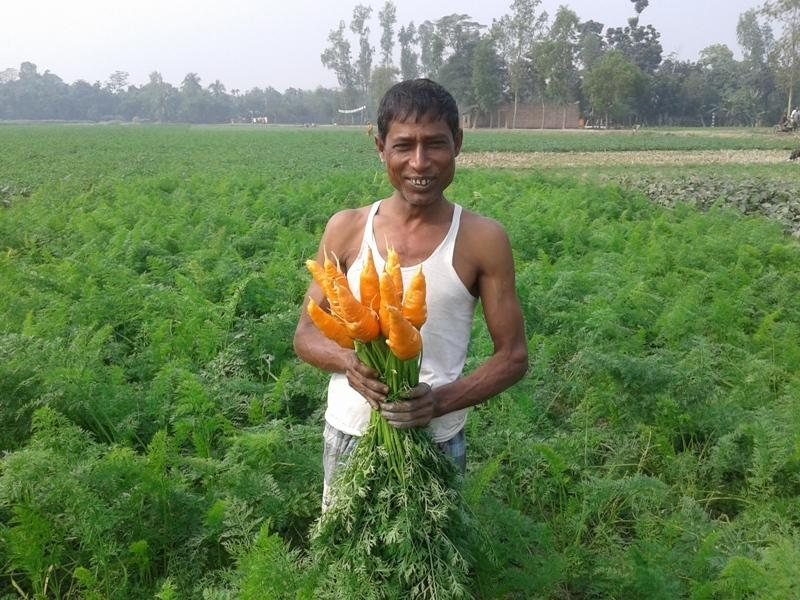
“Empowering Change,
Transforming Future”